 Bolli Automation specializes in vision dispensing machines_factory direct


Bolli focuses on Vision Fluid
BOLI, FOCUS ON VISION‑BASED FLUID DISPENSING
Search All
BOLI, FOCUS ON VISION‑BASED FLUID DISPENSING
Bolli Automation dispensing technology column, continuously updating vision dispensing machine selection, parameter debugging, glue valve matching, takt calculation, defect troubleshooting, etc. practical dry goods, helping electronics manufacturing engineers avoid detours, sharing source-factory frontline experience.
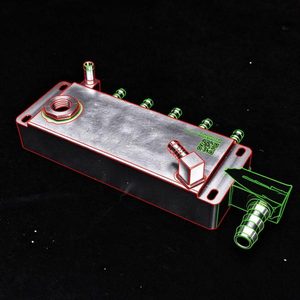
grayscaling compresses into brightness information, threshold segmentation separates foreground and background, contour extraction obtains computable boundaries. The three are sequentially dependent, forming the preprocessing production line before vision dispensing machine recognition.
Read full article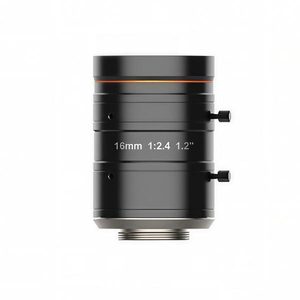
Exposure determines the brightness of the picture; focus and depth of field determine the clear range. The vision dispensing machine needs to balance brightness and clarity; Bolli relies on its self-developed system to uniformly manage the camera and light source.
Read full article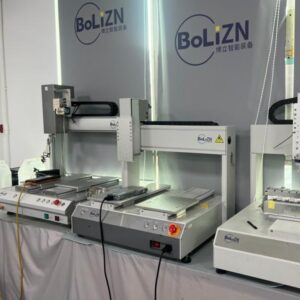
Bolli's desktop vision dispensing machine is divided into two types: single-station (D331) and dual-station (D5331); the core difference is the number of stations. Based on real parameters and the public time-pressure principle, this article compares the working method, footprint, and application scenarios of the two types, explaining...
Read full article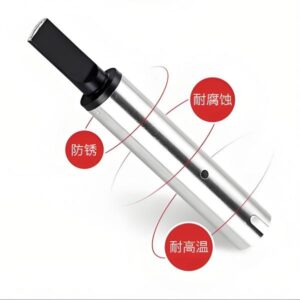
The soldering iron tip is the thermal interface between the automatic soldering machine and the workpiece; shape and size directly determine heat transfer and solder joint consistency. This article sorts out the selection principles of shapes and sizes such as conical, chisel, bevel hoof and knife based on public data, explaining their effect on cold solder joints...
Read full article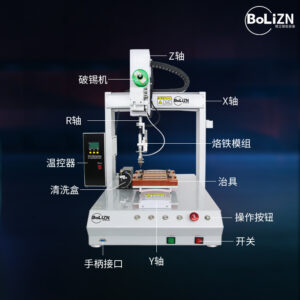
Solder-joint defect determination is a key link in automatic soldering machine process reliability. Based on IPC-A-610, this article sorts out the causes and appearance characteristics of four defect types—false solder, cold solder, solder bridge, and solder ball—and explains visual, AOI, X-ray, and cross-section etc. determination methods and...
Read full article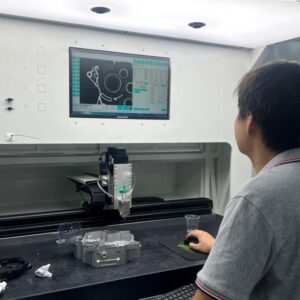
The dispensing process window is the parameter range that keeps products stably qualified. This article explains how pressure, adhesive temperature, speed, etc. constitute the window, and how to respond when the window is too narrow.
Read full article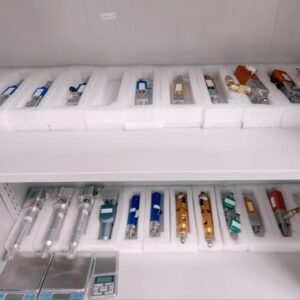
Clearly explain vision dispensing machine dispensing valve body daily maintenance and regular calibration key points, covering seal wear, incomplete suck-back, dispensing-volume drift causes, and the maintenance-calibration differences among three valve types: suck-back valve, screw valve, and jetting valve.
Read full article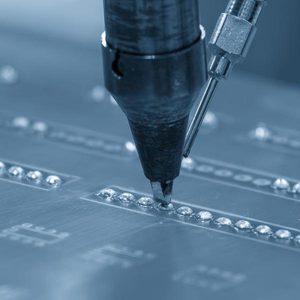
The stable soldering of an automatic soldering machine relies on the systematic coordination of temperature curve, soldering-iron tip maintenance, wire-feeding mechanism, and cycle design. Based on IPC standards and public manufacturer data, this article breaks down the difference between solder melting point and operating temperature, and the effect of high temperature on soldering-iron tip life...
Read full article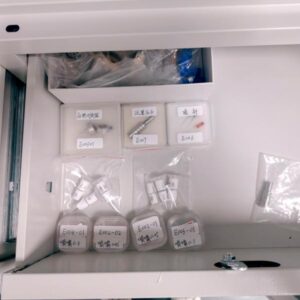
The vision dispensing machine's dispensing quality is largely determined by the dispensing head and nozzle. This article explains nozzle types, bore-to-viscosity dot-diameter matching, and key points of clog handling and daily maintenance.
Read full article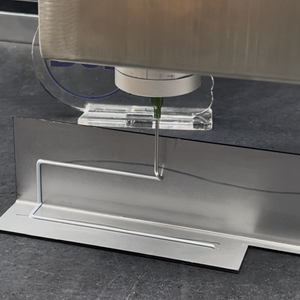
The imaging quality of the vision dispensing machine is first determined by lighting. This article explains light-source types and applicable scenarios, lighting angles and color considerations, and lighting countermeasures for reflective and dark workpieces.
Read full article