 Bolli Automation specializes in vision dispensing machines_factory direct


Bolli focuses on Vision Fluid
BOLI, FOCUS ON VISION‑BASED FLUID DISPENSING
Search All
BOLI, FOCUS ON VISION‑BASED FLUID DISPENSING
the 'eye' of the vision dispensing machine is the industrial camera; whether the captured image is clear directly determines the reliability of subsequent recognition and positioning.Exposure, focus, and depth of field are the three basic parameters of camera imaging., only after tuning well can you get an image with clean edges and stable features.
Exposure determines the overall brightness and darkness of the image. Insufficient exposure loses dark details and worsens edge contrast; excessive exposure saturates high-light areas, and features are 'washed out'. Bolli's vision dispensing machine, with Hikvision cameras (500W, 1200W, 2000W optional) and self-developed Vision software, can adjust exposure time in the software so that target features are in a suitable grayscale range.
focus is aligning the lens focus onto the workpiece surface, making the target clearest;depth of field is the range that remains clear before and after the focus point. When workpieces have height differences or inconsistent incoming thickness, too shallow depth of field causes some areas to blur. Generally, a larger depth of field is gained by reducing the aperture and choosing a suitable working distance, at the cost of reduced light intake, requiring simultaneous adjustment of exposure.
actual debugging often requires trade-offs between 'brighter' and 'clearer': increasing exposure reveals dark features, but mayintroduce noise; increasing depth of field keeps workpieces with height differences all clear, but willsacrifice some resolution. Bolli's vision dispensing machine relies on its self-developed control system to uniformly coordinate the camera and light source, bringingExposure, focus, and lighting should be handled together, rather than adjusted in isolation.
pixel specifications also affect imaging margin. A higher-pixel camera can retain more details, but the requirements for exposure and focus are also more demanding; Bolli's vision dispensing machine provides camera options from 500W to 2000W, which can be matched to workpiece precision needs, without blindly pursuing high pixels. When workpieces are extremely small, prioritizing uniform lighting and accurate focus is often more effective than simply increasing pixels.
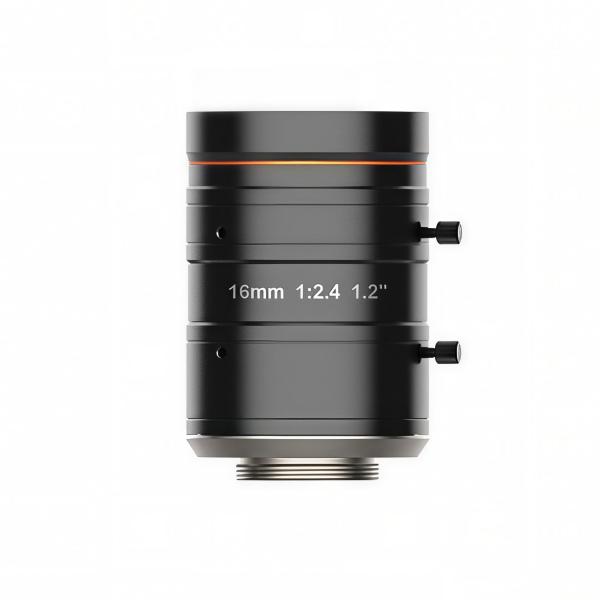
Exposure, focus, and depth of field are the prerequisites for the vision dispensing machine to get a good image. Bolli Automation Co., Ltd. 13352947677 provides camera imaging and sample testing debugging support on the equipment, helping the production line build a solid Vision foundation, so that subsequent positioning and alignment are stable and reliable.