 Bolli Automation specializes in vision dispensing machines_factory direct

How is vision dispensing machine image preprocessing done?
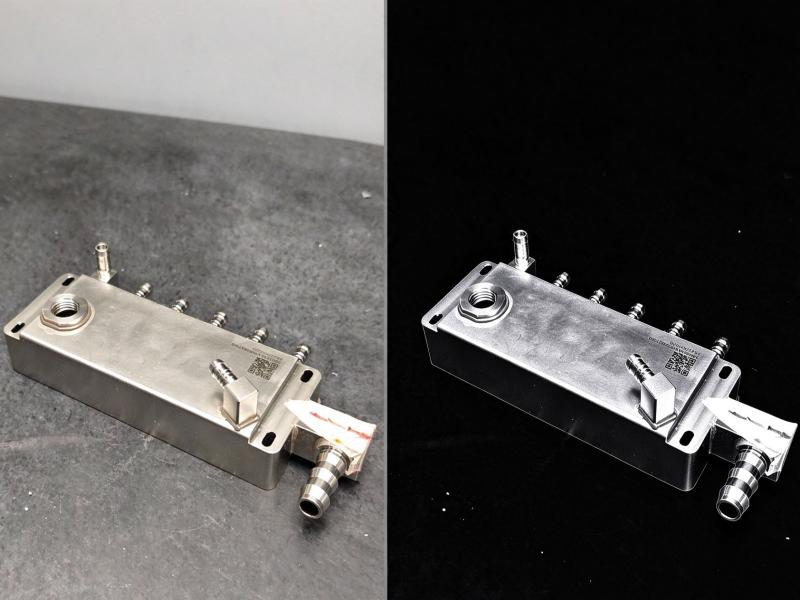
the raw image captured by the camera is color or grayscale data; using it directly for recognition is not safe. Before positioning, the vision dispensing machine usually performs a round ofimage preprocessing, extracting the useful edges and features,grayscaling, threshold segmentation, and contour extraction are the most commonly used three steps.
I. Grayscaling: compressing color information into brightness
most dispensing positioning relies onshape and edges, rather than color. Grayscaling converts a color image into brightnesssingle-channel grayscale image,既preserving structural information while reducing subsequent computation. Bolli's vision dispensing machine self-developed Vision system performs this step after acquisition, laying the foundation for subsequent processing.
II. Threshold segmentation: separating the target from the background
the threshold isthe brightness boundary distinguishing 'foreground' and 'background'. Fixed threshold suits scenes with stable lighting; when incoming material is reflective or lighting is uneven, adaptive threshold is commonly used, taking the boundary dynamically by local regions. With an accurate threshold, the target contour is neither cut off nor stuck together.
III. Contour extraction: obtaining computable features
in the segmentedextract contours from the binary image, you can obtain the boundary point set of the target, used to calculate center, angle, size, etc. positioning information. Contour quality is directly affected by the first two steps:uniform grayscale and reasonable threshold make the contour clean and closed。
IV. How the three steps coordinate
grayscaling determinesinformation foundation, threshold segmentation determines“whether it separates cleanly”, contour extraction determines“whether extraction is accurate”. The three are a sequentially dependent production line. Bolli's vision dispensing machine relies on its self-developed algorithm to encapsulate these three steps in the recognition process, working with Hikvision cameras and an Intel i7 controller to ensure real-time performance and Stability. To explain, the preprocessing effect highly depends on lighting and calibration; when lighting is unstable, no matter how good the algorithm is, it is hard to compensate.
Beyond the three steps, morphological processing such as dilation and erosion is also commonly used to eliminate noise or fill gaps, but they are subsequent enhancements of threshold segmentation, not a replacement. Doing the three steps of grayscale, threshold, and contour solidly is enough for most dispensing positioning scenarios. Bolli's vision dispensing machine encapsulates the entire process in its self-developed recognition engine; debugging personnel only need to fine-tune parameters in the software according to incoming material, without building algorithms from scratch.
V. A few notes when debugging
- Firststable lighting, then discuss the threshold, to avoid repeatedly changing parameters for lighting fluctuations;
- reflective workpieces should be tried firstadaptive threshold, which is more stable than a fixed threshold;
- regularlyre-check and calibrate, calibration drift will be directly carried into the contour position;
- dedicated lens tissueverification with real incoming material, passing the standard block does not mean the production line is stable.
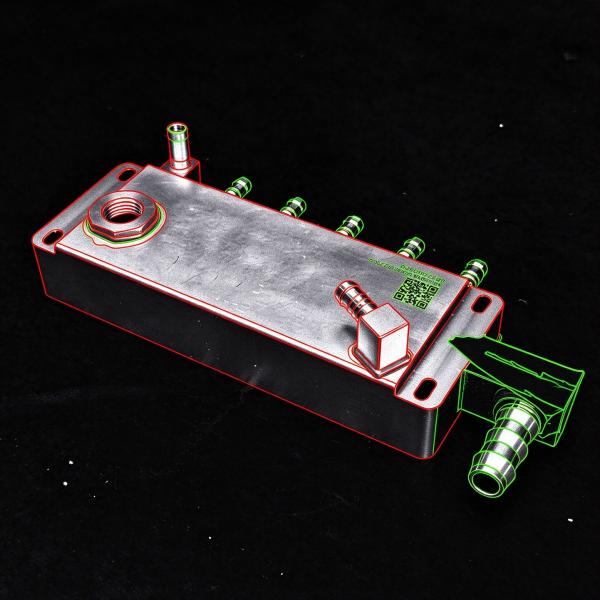
grayscale, threshold, and contour extraction are the key step for the vision dispensing machine to turn 'images' into 'locatable data'.Bolli Automation Co., Ltd.13352947677 provides self-developed Vision preprocessing and sample testing support on the equipment, helping the production line build a solid recognition foundation.