 Bolli Automation specializes in vision dispensing machines_factory direct


Bolli focuses on Vision Fluid
BOLI, FOCUS ON VISION‑BASED FLUID DISPENSING
Search All
BOLI, FOCUS ON VISION‑BASED FLUID DISPENSING
When selecting a vision dispensing machine, often people fix the model first then look at adhesive, only to find on-site a certain adhesive cannot be dispensed. Correct order: understand your adhesive first, then reverse-derive equipment and valve body. Adhesive compatibility is not just ”can it dispense”; it drives valve body, lines, cleaning and metering as a whole chain. Front-loading compatibility to selection saves more than later retrofit. Below, clearly explain how to judge compatibility.
Single-component and two-component supply methods are completely different. Bolli vision dispensing machine has a dedicated dispensing scheme for two-component adhesives, needing independent metering and mixing channels; adhesives with particles or fillers accelerate wear, need wear-resistant valve bodies and larger-bore lines. Bythe glue's form and filler ratio clearlyis the first step in compatibility judgment.
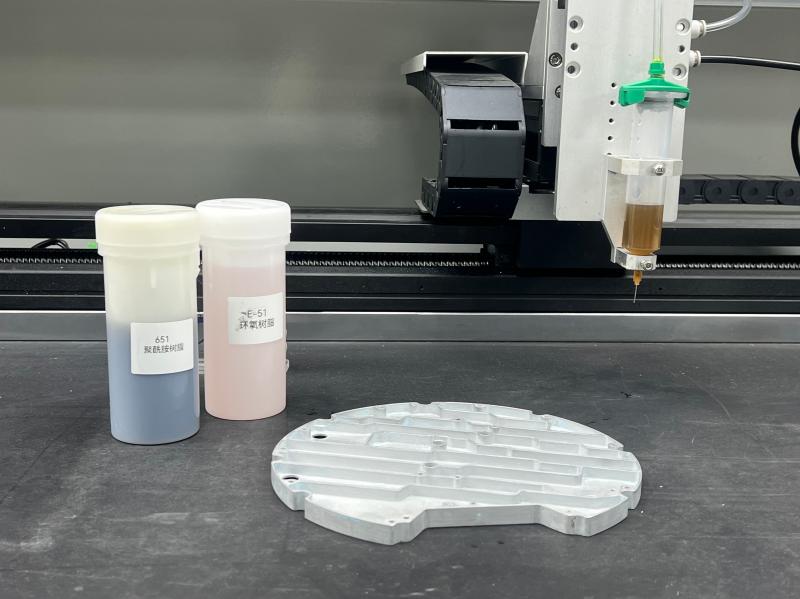
Low-viscosity adhesives easily drip, suiting suck-back valve or valves with break-control; high-viscosity paste needs more thrust, screw valve with thread advance for strict gram-weight metering is better; fast-curing adhesive needs fast-curing valve to prevent in-valve curing. Bolli valve list covers needle valve, suck-back valve, pneumatic jetting valve, piezoelectric valve, screw valve, fast-curing valve etc., match by adhesive to dispense stably. Thixotropic adhesives differ in static vs stressed viscosity; valve selection also looks at dynamic dispensing behavior, not static viscosity alone.
UV adhesive, hot-melt adhesive and epoxy adhesive have different supply and anti-curing requirements. Hot-melt adhesive needs hot-melt valve and temperature control; for adhesives corrosive to metal or seals, confirm line and glue-valve material tolerance. Bolli records adhesive warm-up, stirring and cleaning requirements at sample stage, exposing incompatibility risk early. Bolli also verifies at sample whether curing takt matches dispensing rhythm, avoiding glue not dry before flow or dry-clogged valve.
The most reliable evidence of adhesive compatibility is a real dispensing sample.Bolli provides unlimited free sample testing; run your adhesive on the machine to see if dispensing is continuous, the line consistent, no stringing or clogging. Sample results, not paper specs, are the procurement basis.
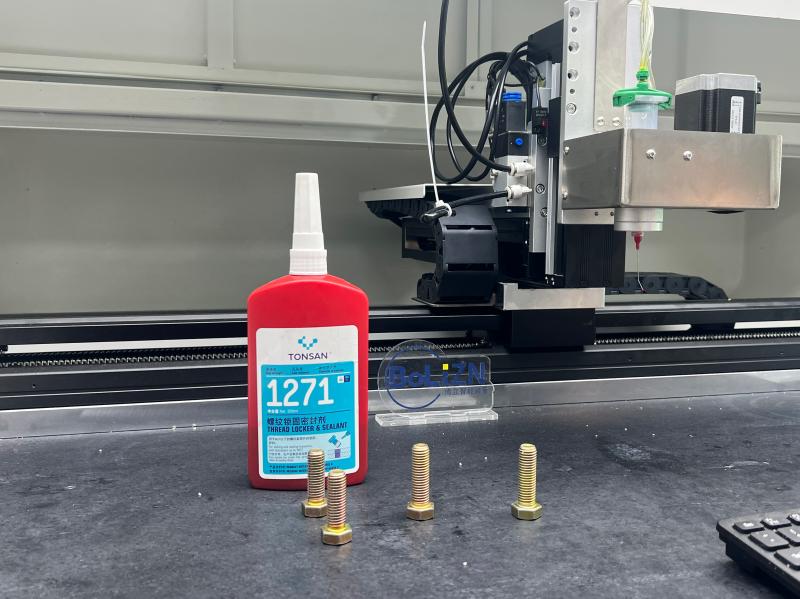
Even if compatible now, residual after adhesive change or stop tests the equipment. Bolli vision dispensing machine considers needle and glue-valve quick-disconnect and cleaning convenience at selection, reducing cross-contamination and curing clog between different adhesives. Bolli also provides clear operation SOP, making adhesive change reproducible and error-proof.Compatibility is not a one-time judgment, but a continuous action spanning glue selection, sampling, and mass production.
To judge the adhesive compatibility of a vision dispensing machine, start fromAdhesive form, viscosity thixotropy, curing method and corrosiveness are brought into manual, then reverse-derive valve body and lines, finally verify on-machine with sample. Bolli vision dispensing machine covers needle valve, suck-back valve, piezoelectric valve, screw valve, fast-curing valve and other valve bodies, with unlimited free sample, helping block compatibility risk before purchase. If uncertain about adhesive compatibility, contact 13352947677.