 Bolli Automation specializes in vision dispensing machines_factory direct


How to choose a UV LED curing lamp? If the wavelength is wrong, the UV adhesive won't cure
When a vision dispensing machine has dispensed UV adhesive and several minutes of exposure still leaves it uncured, or the surface feels hard but the inside is soft, the first on-site reaction is often to extend the exposure time and, failing that, to change the adhesive. Often the problem is not the adhesive but the lamp - the wavelength doesn't match the adhesive, so the light is wasted.
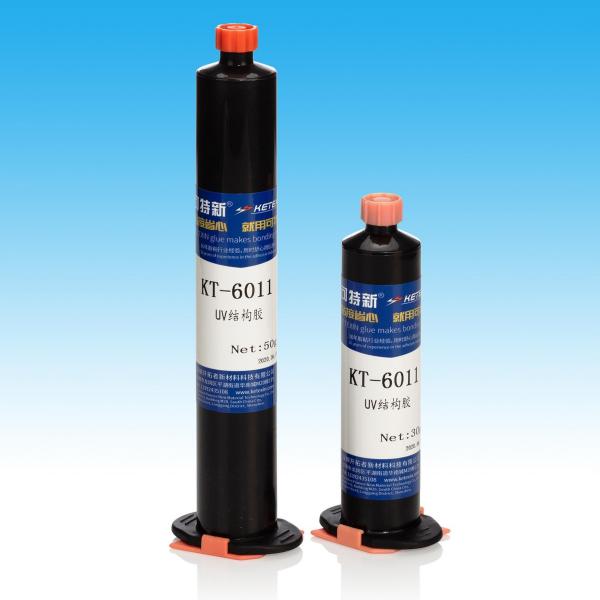
what makes UV adhesive cure
the UV adhesive containsphotoinitiator, only inabsorbs light only within specific UV wavelength bands, and only after absorption does crosslinking and hardening begin. Common matching wavelengths include365、385、395、405纳米. Old mercury lamps emit a very broad spectrum, so the initiator in the adhesive could always absorb some band; today'sUV LED emission is very narrow, with energy concentrated near a single band, if the wavelength is wrong, the light passes through the adhesive layer almost unchanged, and no amount of power will cure it.
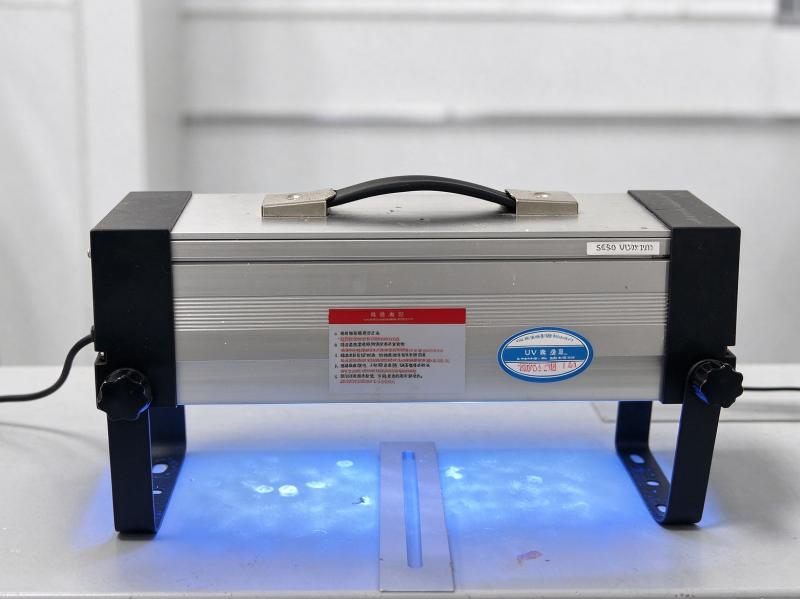
short and long wavelengths each serve a purpose
365 nmthese short wavelengths,the surface cures cleanly but penetration is shallow, so the bottom of a thick adhesive layer often remains uncured;395 and 405 nmthese long wavelengths penetrate deeply, suitable forthick adhesive layers, deep cavity potting, and curing through a not-fully-transparent substrate. In practice, follow the recommended wavelength listed in the adhesive manufacturer's technical data sheet; dark adhesives and filled adhesives especially need wavelength verification before mass production - don't just look at the lamp's power figure.
intensity and time must be considered together
curing depends on the energy the adhesive layer actually receives, which is intensity multiplied by time. A surface that is dry while the inside stays soft usually comes down to two situations:if the wavelength doesn't match, the light cannot reach the bottom; orif the intensity is too low, no matter how long the exposure, it only cures a surface skin. If possible, use a UV radiometer to measure the energy the adhesive layer actually receives, define a window that is sufficient but not excessive, and write it into the process document. Also watch the lamp head's heat dissipation: a poorly cooled lamp shows noticeable light decay after a period of use, and the curing effect at the same exposure time drops.
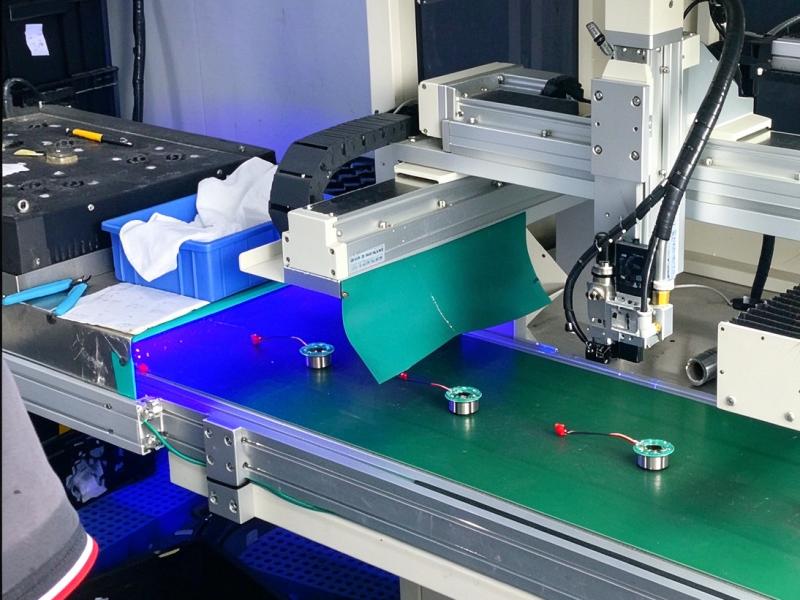
changing the adhesive type requires re-matching the
On vision automatic dispensing equipment, the curing lamp and adhesive form a one-to-one match; when you change the adhesive type, its color, or even the adhesive layer thickness, the wavelength and irradiation parameters must all be re-verified, and bond strength sampled after curing before setting the production volume. The overall choice of curing method,as written in the article on how to cure after dispensing; other points about matching UV adhesive and equipment,as discussed in the article on adhesive compatibility。
If you're unsure whether the lamp and adhesive match, send us the adhesive model and your workpiece, and call 13352947677 to reach BolliBolli Automation Co., Ltd.'s after-sales team - they can test a sample for you; whether it is surface-dry and soft inside or fully cured becomes clear right away, which is easier than swapping lamps back and forth.
Source statement: the wavelength-matching principle and the applicable ranges of 365/385/395/405 nm refer to the UV Adhesive Network's guide on UV LED light sources and UV adhesive wavelength selection (uvjiao.cc); the differences in curing depth between short and long wavelengths refer to UVET's article on UV adhesive curing wavelengths (uvndt.com); the differences between LED narrow spectra and mercury lamp broad spectra refer to Tianhui UVLED's wavelength selection article (tianhuiuvled.com), retrieved in November 2026. These are general industry conclusions; Bolli equipment configurations are subject to the specifications on the official website.