 Bolli Automation specializes in vision dispensing machines_factory direct


Bolli focuses on Vision Fluid
BOLI, FOCUS ON VISION‑BASED FLUID DISPENSING
Search All
BOLI, FOCUS ON VISION‑BASED FLUID DISPENSING
Dispensing is only the first half; no matter how accurate the dots are, it is wasted if they do not cure. Many factories treat curing as the next process of ”deal with it after dispensing”, resulting insmudging, displacement, incomplete curing, etc. issues— actually the curing method should be decided together at the dispensing solution design stage.
UV curingrelies ontriggered by light of a specific wavelength, usually faster, suitable for UV adhesive, but requires the adhesive layer to be reachable by light; shaded areas that light cannot reach will not cure through.
Thermal curingTriggered by temperature and time, suitable for epoxy, silicone, etc.; not sensitive to shape obstruction, but relatively time-consuming, and the workpiece's temperature resistance must also be considered.
Specifically which to adopt,depends on the curing mechanism of the adhesive itself, rather than the factory speeding up whenever it wants.
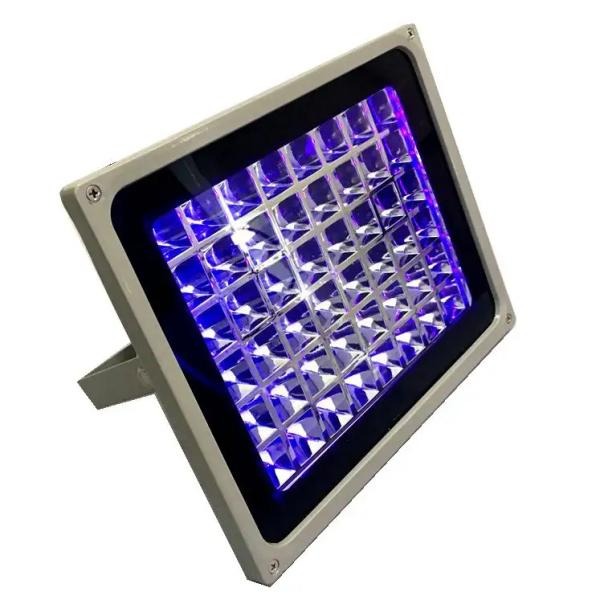
The place that most easily bottlenecks capacity is here: the dispensing machine outputs fast, but curing cannot keep up, causing material to pile up in between; conversely, if curing capacity is surplus, dispensing becomes the bottleneck. The common approach isinline connection— dispensing immediately enters the curing stage, relying on conveyor speed to match the rhythm of the two; oroffline curing—first temporarily store a batch, then cure the whole batch in the oven, suitable for scenarios with low cycle-time requirements. Which to choose depends on output and floor space.
First,Do not touch before curing. Moving or stacking the adhesive before it sets—lightly it smudges, severely it shifts and is scrapped—so the picking, placing and temporary storage method must be designed in advance.
Second,Temporary storage needs spacing, workpieces must not touch each other.
Third,Adhesive layer thickness must match curing capability, piling too thick at once easily leads to a surface that's dry but interior that isn't.
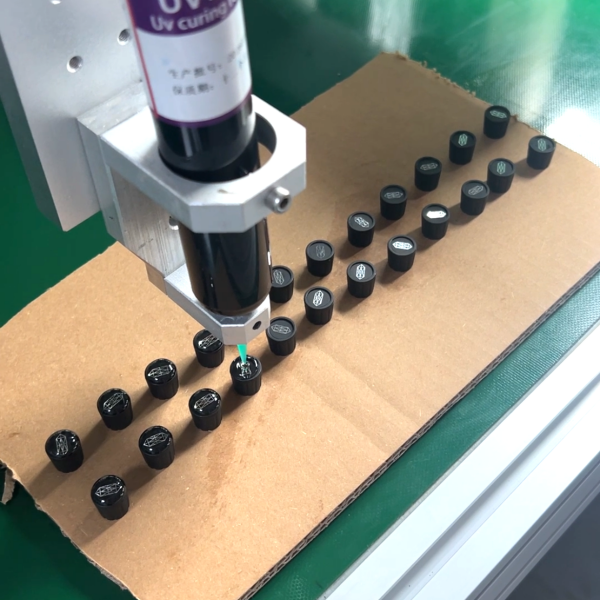
Bolli's value lies in stabilizing the first half and leaving connection margin: the equipment supports multi-program storage, and can save parameter templates separately according to the curing requirements of different adhesives; the cycle and loading/unloading method can beFree SamplingStage one and verification, contact Bolli:13352947677, and an engineer will help you plan.