 Bolli Automation specializes in vision dispensing machines_factory direct


Bolli focuses on Vision Fluid
BOLI, FOCUS ON VISION‑BASED FLUID DISPENSING
Search All
BOLI, FOCUS ON VISION‑BASED FLUID DISPENSING
No matter how well a single machine runs, data locked inside the machine is also an island. When the factory wants to adoptMES, dotraceability, calculateOEE (Overall Equipment Effectiveness), the vision dispensing machine must ”speak up” — conveyingproduction quantity, yield, alarms, parameters — these data are transmitted upward, and also receive work orders and recipe dispatch. With smooth communication integration, the equipment merges into the wholeDigital production line。
The core value of integration is“traceable, controllable, optimizable”. Without interface, yield anomalies rely on manual reports and output relies on manual records, lagging and error-prone; after interfacing, each batch's dispensing parameters, time and defect count are automatically archived, and quality problems can be located in seconds to which machine, which order and which parameter. For managers, this is the premise of turning experience decisions into data decisions.
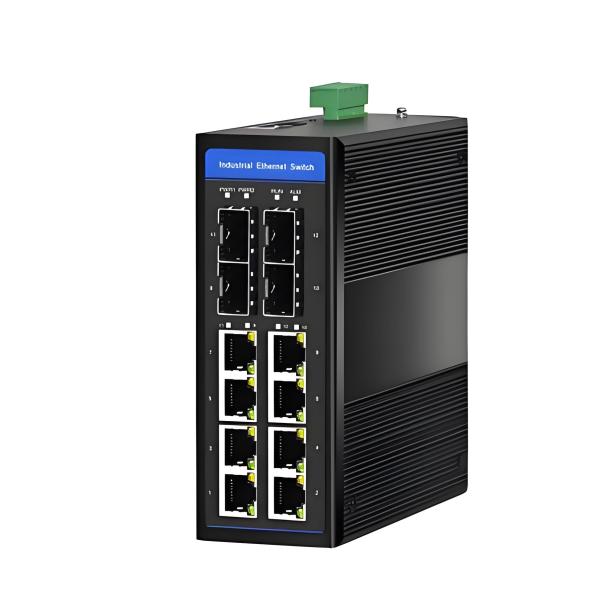
There are several common industrial-field integration channels:Ethernet port TCP/IP using custom protocol or standard interface,serial port RS232/485 suitable for older equipment,OPC UA Suitable for standardized interconnection with upper-layer systems; some scenarios use direct database writing or file exchange. The vision dispensing machine usually reservesEthernet port and IO, which to choose depends on the existing production line architecture. Bolli's equipment reserves standard communication interfaces, facilitating connection to the customer's MES or host computer.
Before integration, first list the ”field list”: equipment number, work order number, product model, start/end time, good count, defect count, alarm code, key process parameters. Both sides align field names and formats to avoid ”you send A, he receives B”. It is recommended to first do small-batch joint debugging, verify each data point lands in the right place, then go live officially. Bolli can assist customers in confirming communication fields and message formats, lowering the integration barrier.
When and how many times data is sent must be clearly defined. Common practices are“report per piece”magazine“report per shift”, use a unique barcode or work order number as the primary key to prevent duplicate writes or missed reports. Network flicker needs a resend buffer to avoid losing data that cannot be traced. Write these boundaries into the interface document so later O&M is not blind. The interface document should be jointly signed and confirmed by both parties as the basis for later O&M and responsibility definition.
First, permissions and network security: isolate the equipment network from the office network and add authentication to interfaces;
second, version management: after MES or equipment program upgrades, perform regression testing to confirm old data still matches;
third, keep logsso communication anomalies can be reviewed.
The digitalization of the vision dispensing machine is not just plugging in a cable, but managing ”who, when, and what was sent”.
Vision dispensing machine MES communication integration is essentially about turning equipment data from isolated islands into assets: choose the right communication method, clarify fields, set triggers to prevent duplicates, and control security and versions. Manage the interface as a product, and the digital production line truly runs. For communication-integration advice, welcome to call, Phone 13352947677.