What Is the Difference Between Jet and Contact Dispensing?
1. The Core Difference Between the Two Methods
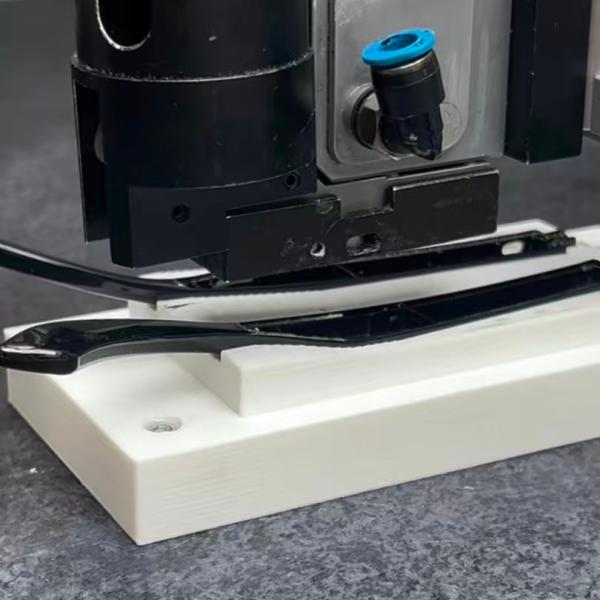
There are two mainstream ways to dispense: contact and non-contact. In contact dispensing, the needle must touch the product surface to 'wipe' adhesive onto it; in jet dispensing, adhesive is 'shot' from the valve like ink-jet, never touching the product. One word of difference — completely different speed, precision and applications.
2. Contact Dispensing: Simple, Cheap, Universal
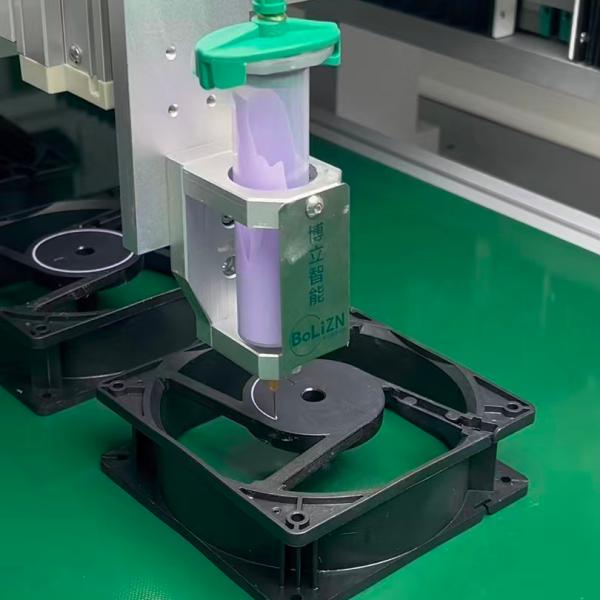
Contact dispensing extrudes adhesive from the needle by air pressure or mechanical action, transferring it by touching the surface. Its strengths: simple structure, low cost, works with virtually every adhesive, easy setup and programming, and dots rarely splatter. Weaknesses: every dot requires a Z-axis up-down move, so it is slow — at most about 300 dots per minute, roughly 80 per second at best; needles wear, may scratch surfaces, and dot consistency suffers from pressure fluctuation.
3. Jet Dispensing: Fast, Precise, Non-Contact
Jet dispensing uses a high-speed jet valve to fire adhesive at very high frequency onto the target without touching it. It is extremely fast — continuous jetting up to 1000 dots per second, 1500Hz burst, an order of magnitude beyond contact; because nothing touches the product, fragile components are never damaged and stringing disappears; dot tolerance is within ±1% and minimum dot size reaches 5 nanoliters. Drawbacks: higher equipment cost, poorer tolerance for particle-laden or abrasive adhesives, and thick layers need multiple passes. Learn moreVision positioning system: place workpieces freely — the machine photographs and recognizes the LOGO groove contour and auto-corrects; slight tilting never misses the mark; quick changeover across models。
4. How to Choose? Four Factors
- Takt time: for large batches and high takt, jet first; for small batches with modest speed needs, contact is more economical.
- Product fragility: fragile, uneven or complex surfaces favor jet to avoid damage.
- Adhesive type: particle-filled or abrasive adhesives are safer with contact; ordinary adhesives work either way.
- Budget: contact valves run about 2,000-5,000 RMB each; jet valves 20,000-50,000 RMB — a clear gap; choose per need.
In short:choose jet for high precision, high speed and fragile parts; choose contact for low cost, general use and thick layers。
5. Boli's Dispensing Method
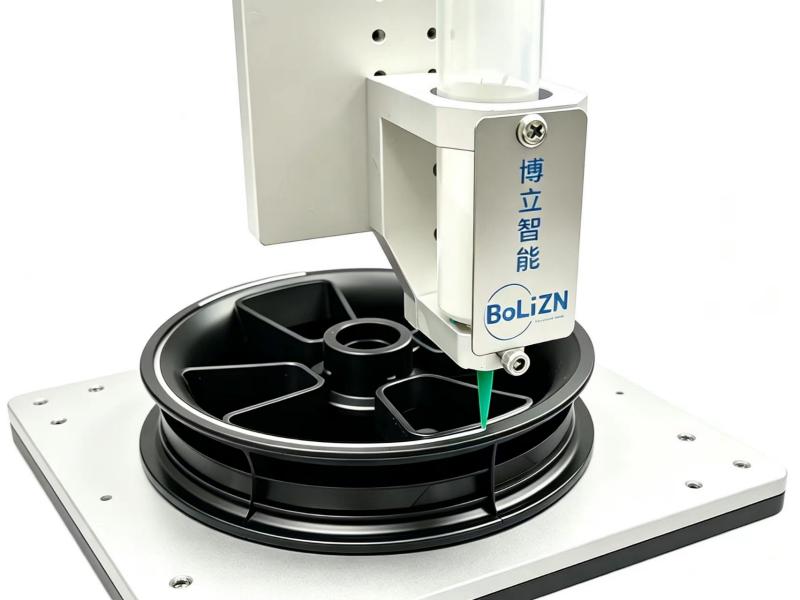
Boli vision dispensing machines use air-driven non-contact dispensing — the needle never touches the product; air pressure deposits adhesive at the target, with fast drip-free start/stop and working pressure of 600-1200hpa. This non-contact approach shares the jet philosophy of 'never touching the product', avoiding damage and stringing, while costing far less than a piezo jet valve — ideal for mid-takt precision dispensing in 3C electronics and precision hardware. Learn moreCore Technologies。
6. Summary
Contact wiping is slow but cheap and universal; jetting is fast but expensive. Judge by takt, product, adhesive and budget, and you will pick the right method.