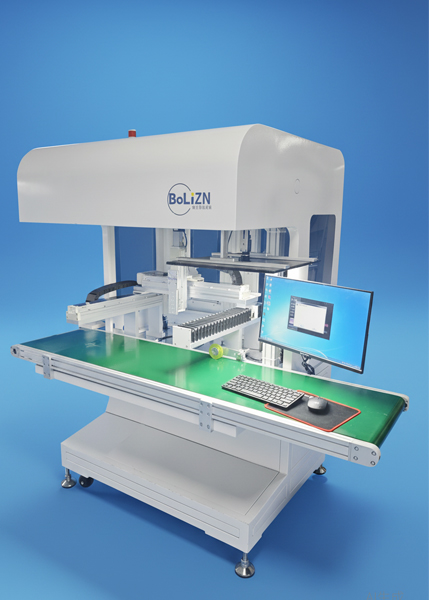
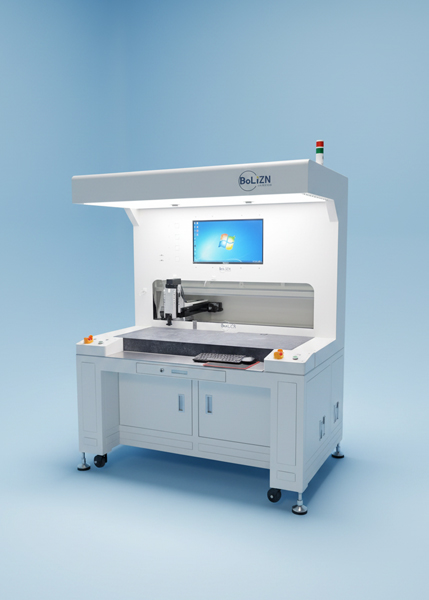
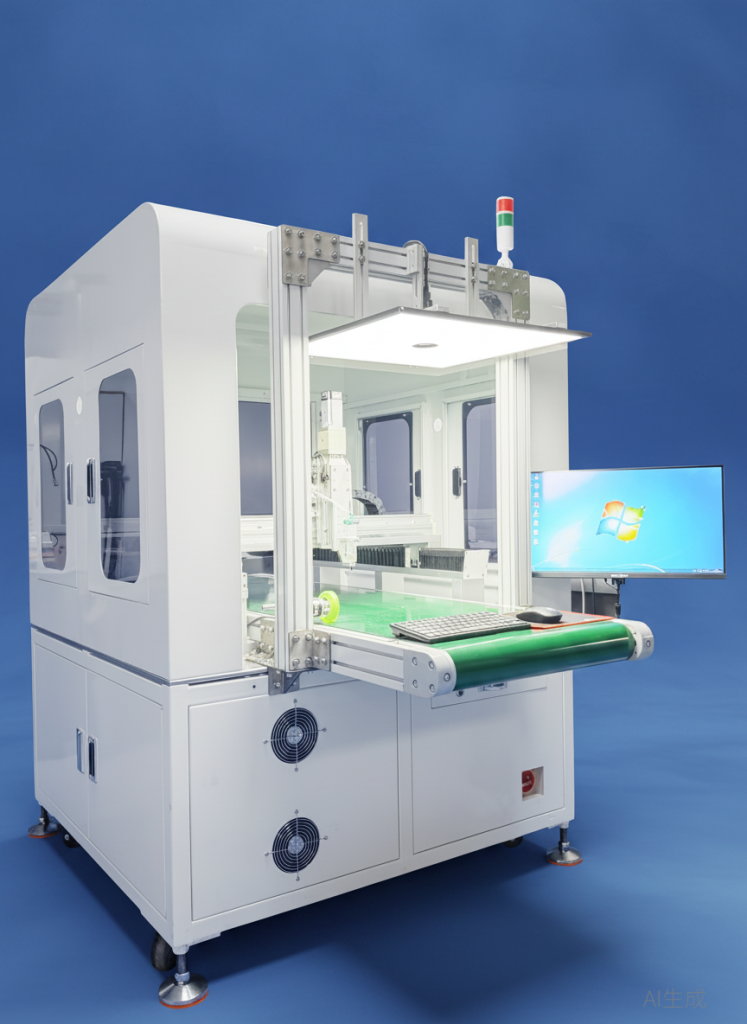
Boli — Deep Roots in Vision Fluid Control
DEEPEN RESEARCH IN VISION‑BASED FLUID DISPENSING
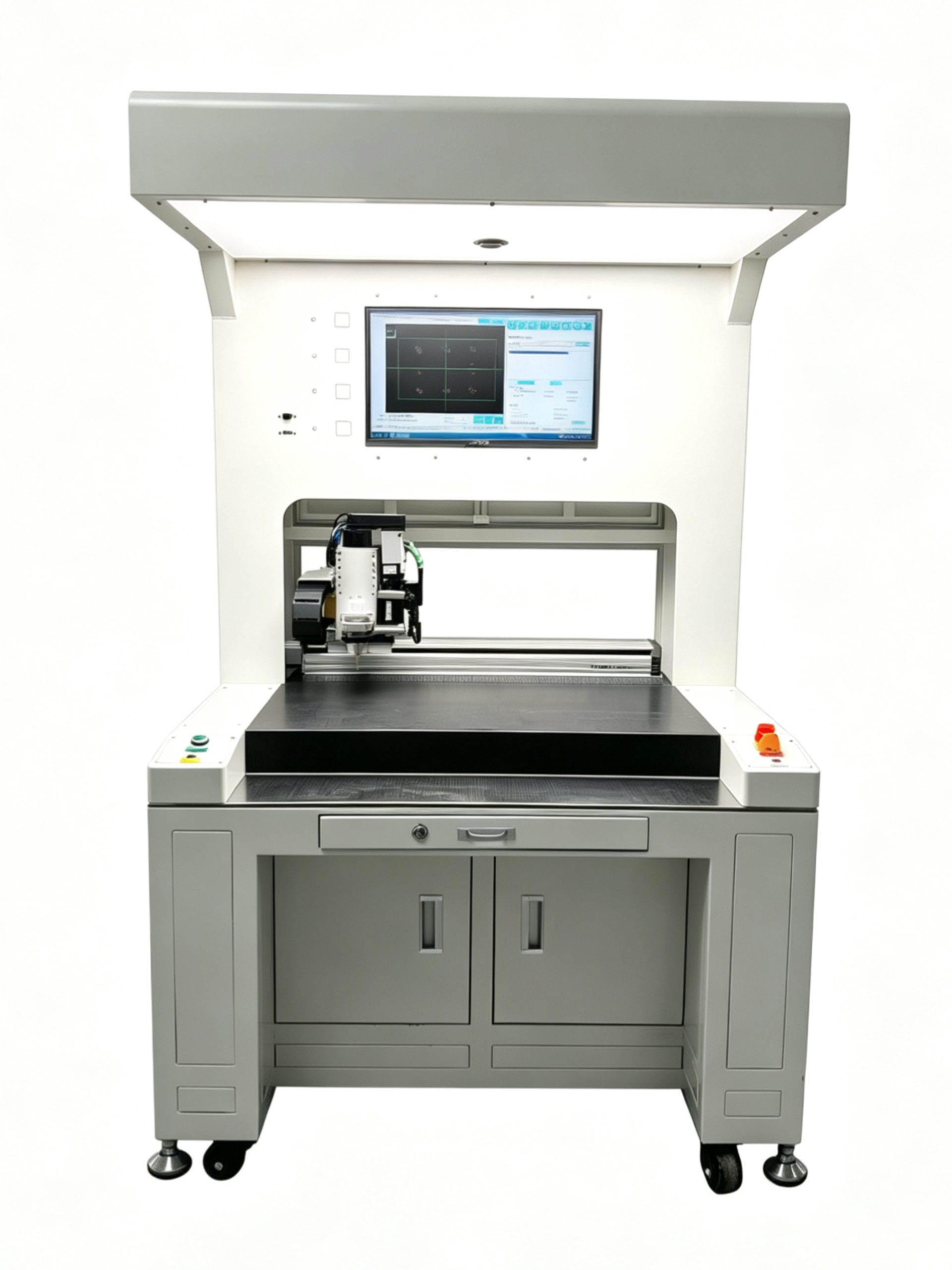
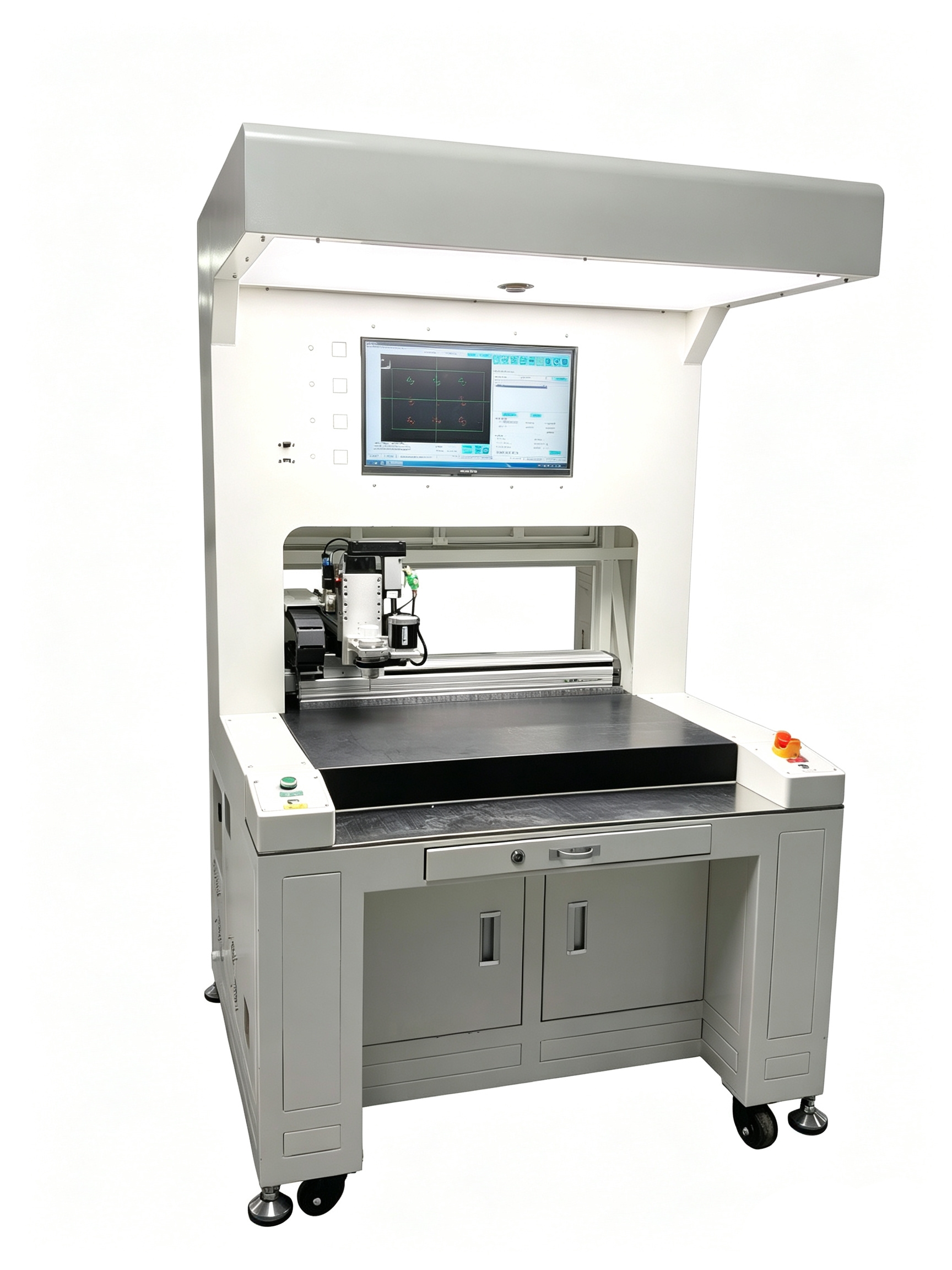
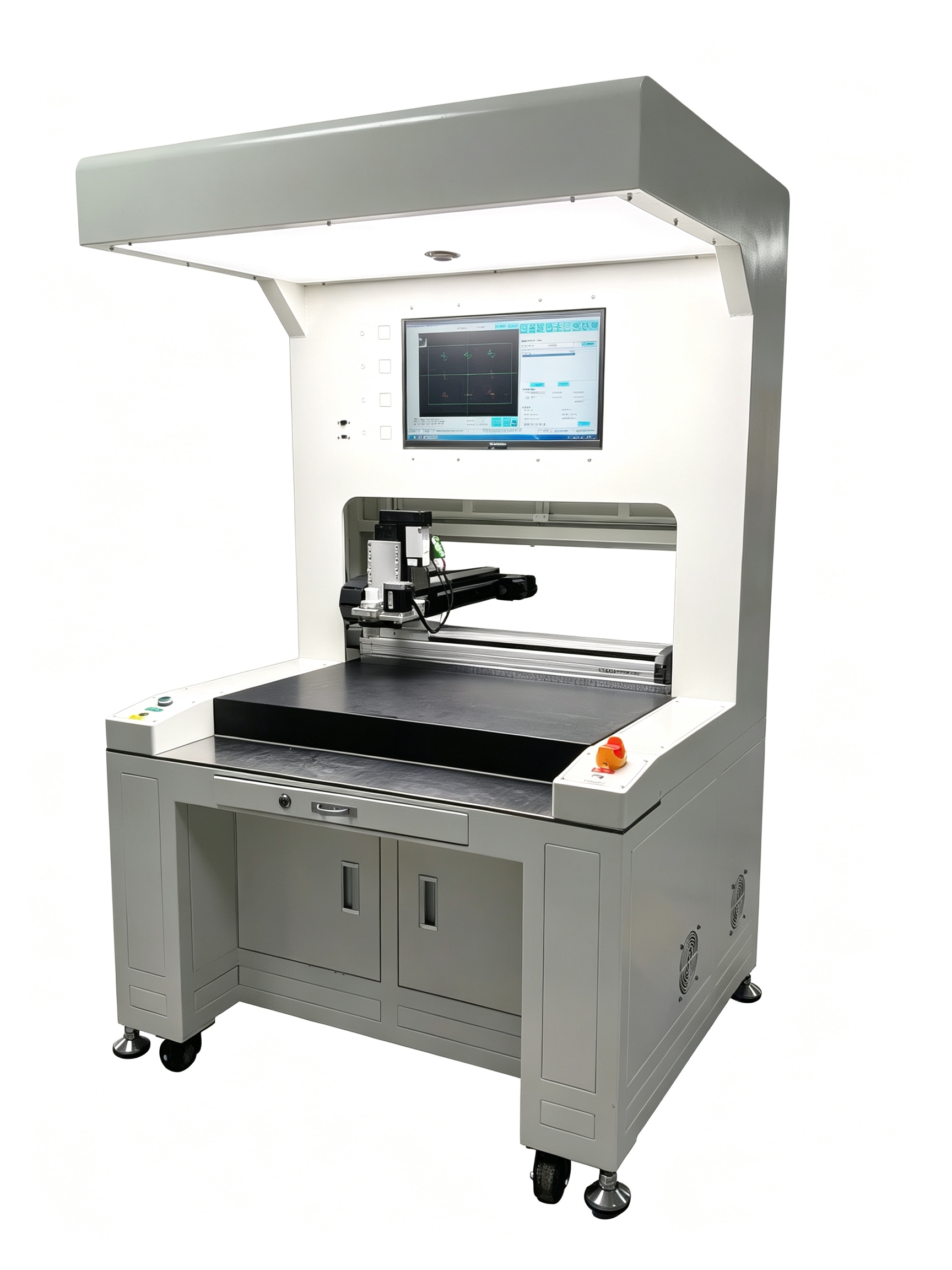
Vision 4-Axis Rotary Dispensing Machine
Rotary Dispensing Machine
The 4-axis rotary vision dispensing machine adds aservo-driven R rotary axison top of conventional XYZ linear motion, achievingXYZR four-axis coordinated control; paired with the CCD vision positioning system, the dispensing valve can rotate freely through 360°. Learn moreCore Technologies。
- Vision system: 5MP / 16MP / 20MP industrial CCD cameras, panoramic coaxial lighting, and vision image-processing software;
- Servo motion platform: 3-axis / 4-axis (XYZ+R) precision ball-screw servo modules with linear, arc and continuous interpolation;
- Repeatability: ±0.02mm; real-time correction during dynamic following effectively eliminates deviation from line vibration and part placement error
- Speed: max following line speed 0-800mm/s (adjustable per process)
- R-axis rotation range: 0-360° unlimited; R-axis accuracy ±0.01°
- Travel range: optional 300-500mm
Multi-Scenario Use
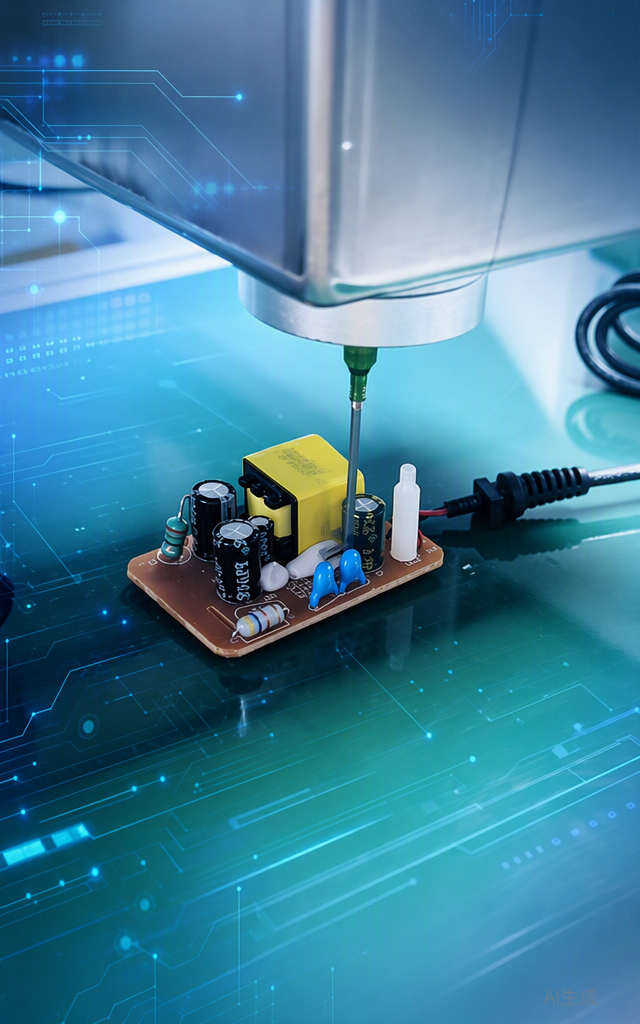
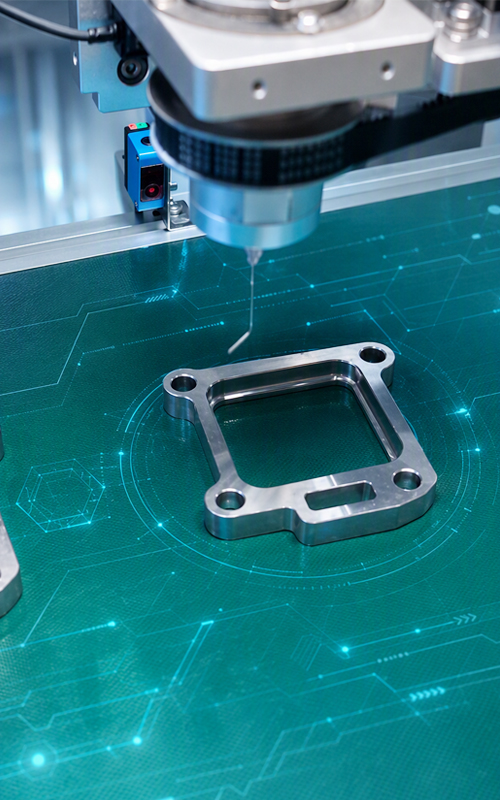
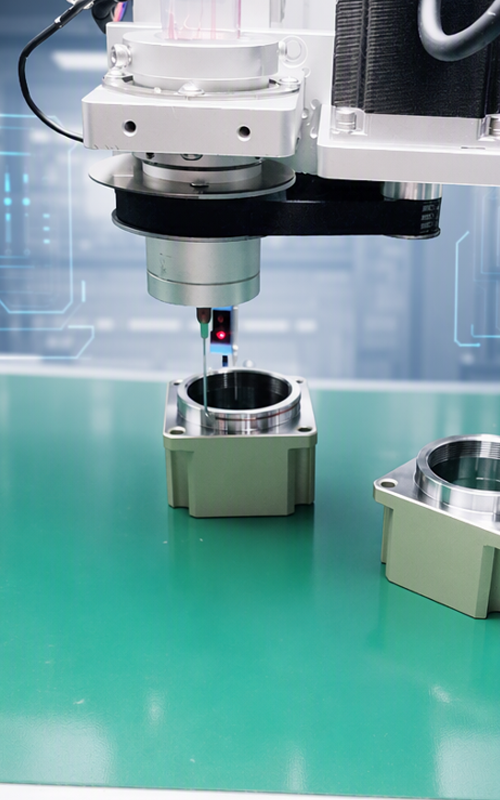
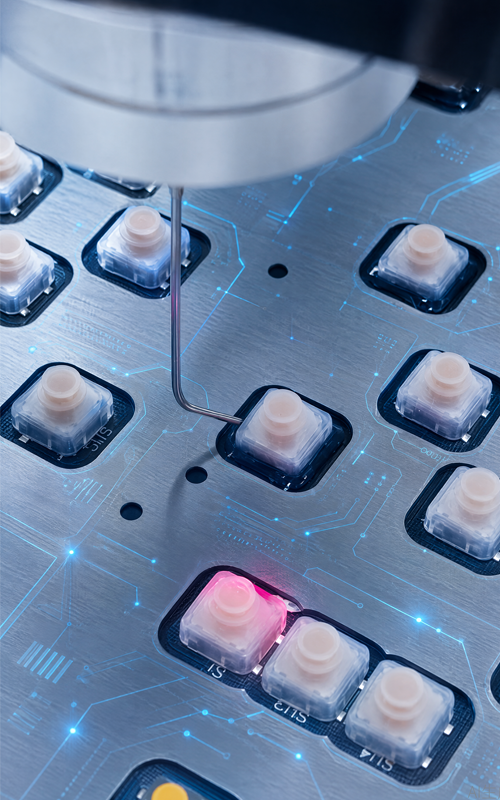
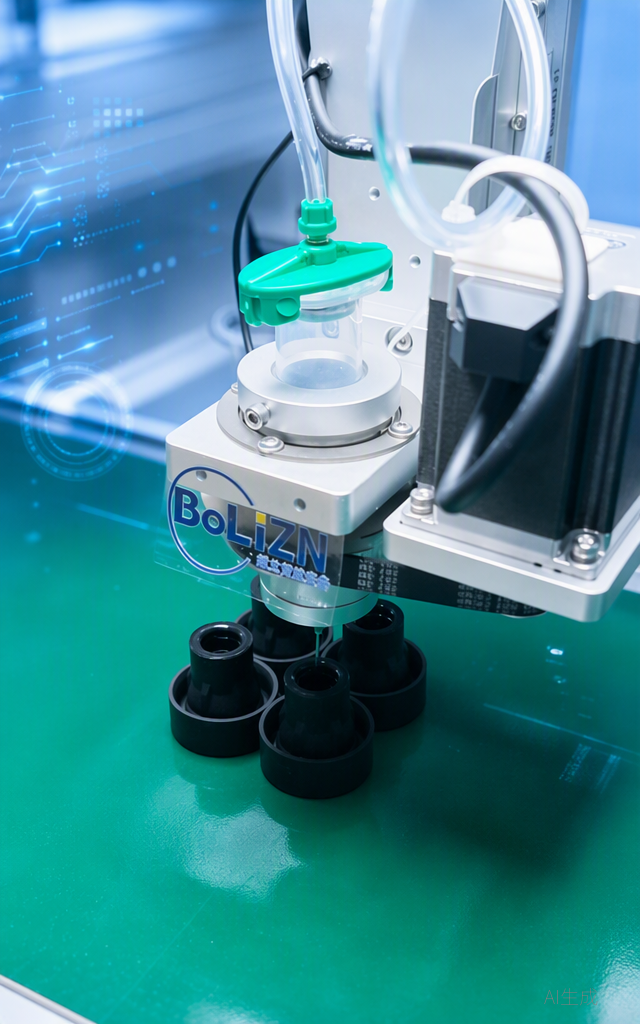
Unlike 3-axis machines whose needles only point straight down, the 4-axis model adjusts the dispensing angle to face side walls, inner rings, corners and circular contours,completing plane, side and circular multi-angle dispensing in a single clampingwith no manual workpiece flipping.
Widely solves ring-shaped, irregular and side-wall sealing challenges on PCBA boards, crafts, earbud housings, sensors and connectors — the mainstream model for precision 3D dispensing in consumer electronics, automotive electronics and new energy.
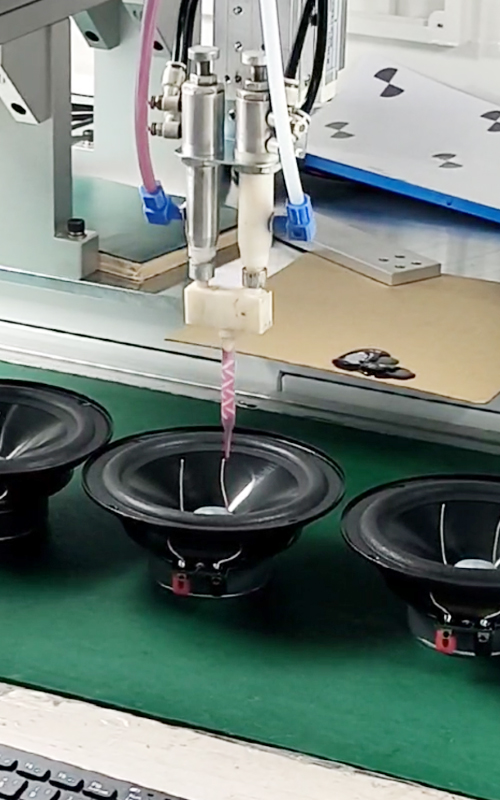
Product Advantages:
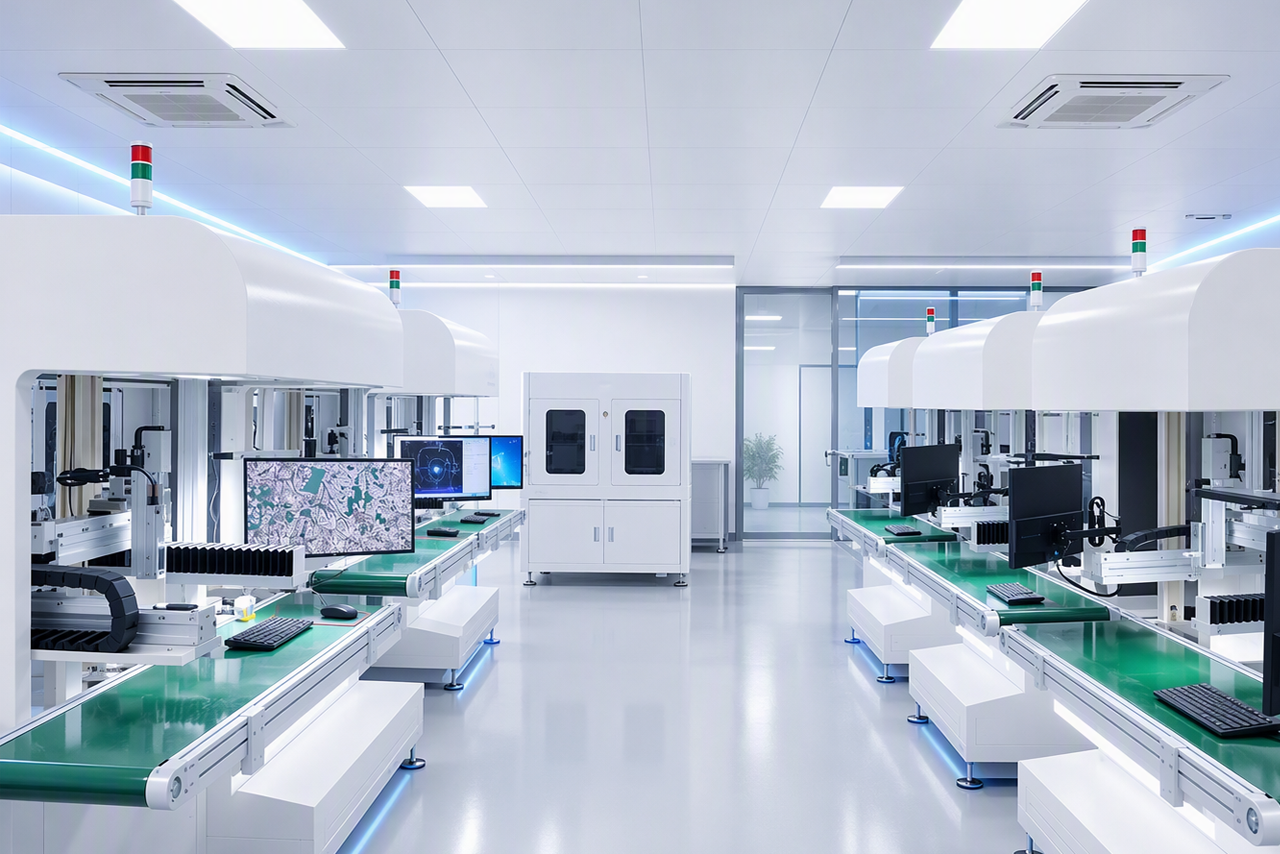
Core components use imported configurations with the latest intelligent vision system. Targeting manufacturing market needs, we produce a range of standardized vision dispensing equipment — with mature hardware expertise and software updates, machines are more stable and more cost-effective. Learn moreDifference Between 4-Axis and 3-Axis。
- Higher capacity: automated dispensing equipment significantly raises production capacity to meet growing demand.
- Lower labor cost: reduces staffing needs, eases operators' workload, and cuts labor costs.
- Better quality: precise vision systems and automation ensure product consistency and high quality.
- Improved safety: less human intervention lowers risk and improves workplace safety.
Equipment Variety
Diversified equipment