 Bolli Automation specializes in vision dispensing machines_factory direct


Bolli focuses on Vision Fluid
BOLI, FOCUS ON VISION‑BASED FLUID DISPENSING
Search All
BOLI, FOCUS ON VISION‑BASED FLUID DISPENSING
valve stem sticking, glue valve seepage, glue dots varying in size—the first on-site reaction is often that the valve is broken. Open it up and you'll usually find a few-yuan seal ring is the culprit. It is small, yet it sits in the vision dispensing machine's adhesive pathguarding both airtightness and leak prevention, wrong material or untimely replacement—trouble all starts here.
Seal rings fall into two types:those installed on the adhesive barrel end cap and pipe joints—stationary places—are static seals;those installed on valve stems, plungers, and other reciprocating parts are dynamic seals, which must bothblock the adhesive and resist wear. Dynamic seal rings face the harshest conditions—soaked in adhesive and rubbed by friction—so they fail fastest. Industry data shows the three major failure causes are chemical corrosion ~45%, mechanical wear ~30%, and improper installation for the rest.
NBRcheap and oil-resistant, fine for ordinary grease-type adhesives, but swells and softens when exposed to strong solvents like ketones and esters;FKMresistant to solvents and heat, compatible with most UV and epoxy adhesives, it is the primary material; polyPTFE resists nearly all chemicals, instant adhesives of this strongly adhesive system rely on it; otherwise the seal ring sticks to the adhesive in a clump and the valve stem struggles to reset. The downside is poor elasticity, so it is generally used with a rubber backup ring.FFKMfor strong solvents and anaerobic adhesives, the price is high so use as needed. Before selection, pull out the adhesive safety data sheet and check it against requirements—cheaper than replacing parts afterward.
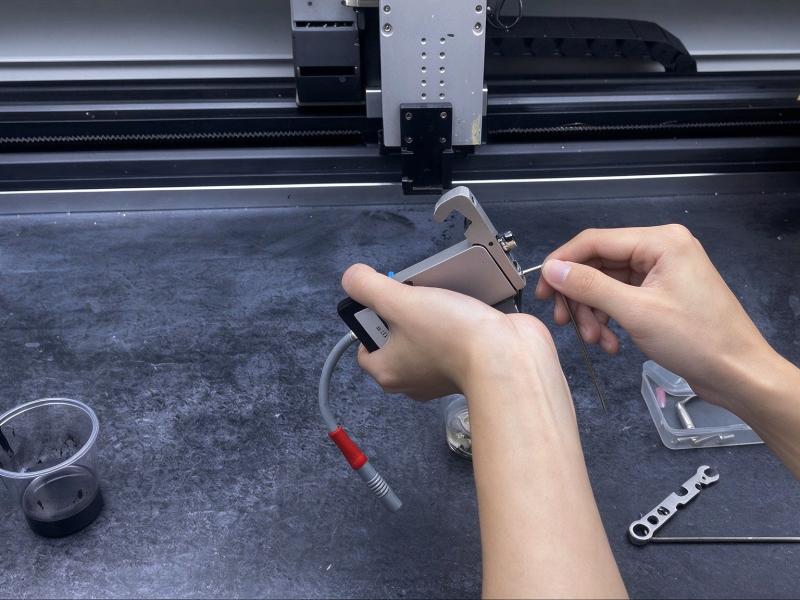
Failure shows clear warning signs:swollen and bulging deformation makes the valve stem sluggish; hardened seals lose elasticity, and gaps appear on the sealing face causing seepage. Industry experience showsinspect the sealing surface every 3 months,replace when compression set exceeds 15%, do not wait for leakage to act. Adhesive change is also a check point—a new adhesive has a different solvent system, and the original seal ring may not hold up; verify compatibility when changing adhesive and replace together if necessary.
before installation, cleanseal groove and valve stem wiped clean, residual adhesive embedded in the seal ring means a wasted install; before fittingapply a thin coat of fluorinated grease, reduce friction to aid seating. Strictly forbid prying with tweezers or screwdrivers; add a protective sleeve when passing threads, and stop to check dimensions if resistance is abnormal. One more rule in operation: never dry-fire without adhesive, as seal ring wear multiplies under dry running. When Bolli after-sales visits to repair valves, the two common findings on disassembly are solvent swelling and dry-running wear.
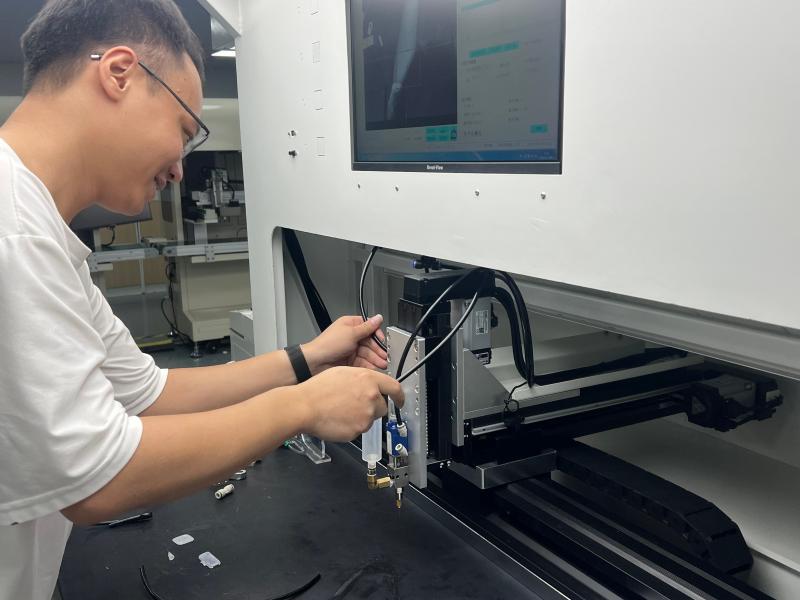
valve体日常maintenanceand calibration,dispensingvalve体maintenancecalibration那篇写过; which other wear parts exist and how often each is replaced,the article on wear-part replacement intervals has a list。
Most seal ring issues on Vision automatic dispensing equipment can be judged at a glance. If glue dots drift, do not rush to replace the valve—shoot a video of the valve body working, note the adhesive brand, and send 13352947677 to findBolli Automation Co., Ltd.after-sales can take a look and save an on-site visit.
Source statement: seal ring classification, material compatibility, failure and inspection intervals, and installation specs, referenced from Huale Seals' two articles on dispensing valve seal ring selection and usage notes (walleseals.com), Sailang Seals' seal ring material selection data (sllseals.com), and Baidu AiProcurement's dispensing equipment seal ring entry (b2bwiki.baidu.com), retrieved November 2026.